How to build a men’s wardrobe with essential pieces
The art of synthesis in the wardrobe
A well-constructed wardrobe is the result of conscious choices and a coherent vision of one’s personal style. The modern man seeks timeless elegance, versatility, and simplicity — qualities perfectly embodied by a “capsule” wardrobe. The concept of a capsule wardrobe is based on selecting a limited number of garments — usually no more than a few dozen — that can be easily combined to create outfits suitable for different occasions. This reduced selection is designed to maximize versatility and minimize waste, focusing on quality fabrics, neutral colors, and timeless cuts.
Such a collection simplifies the life of the wearer. It reduces the stress of choosing what to wear, as every piece naturally pairs with the others. It allows investment in a few high-quality items meant to last over time. Moreover, it encourages more mindful consumption, limiting impulsive purchases and promoting a sustainable approach to fashion. In other words, an essential wardrobe allows one to express identity through a few key pieces, embracing the elegance of simplicity and the value of craftsmanship.
Why choose an essential wardrobe
Less Stress, More Style Consistency
One of the main advantages of a streamlined wardrobe is the simplification of everyday life. Each garment is designed to work in harmony with the others, so there’s no more time wasted searching for the right combination. The daily dressing routine becomes more fluid and consistent: a versatile set of garments allows you to create elegant combinations with ease.
Color coherence also helps define personal style. A wardrobe built around a neutral palette — navy, grey, beige, black, and white — always ensures a harmonious result. The color wheel teaches us that neutral tones are the foundation of a balanced look: they pair with everything and allow touches of color through accessories or seasonal pieces.
Investing in quality
By reducing the quantity of clothing, it becomes possible to invest in pieces made from fine fabrics. High-quality wool, cotton, and silk, for example, last longer and improve with time. A combed wool blazer or a wool or cashmere coat are not only elegant — they represent long-term investments that elevate any outfit.
Sustainability and Waste Reduction
Limiting the number of garments helps reduce impulsive buying and extends the lifespan of clothing. Sustainable fashion starts here: a capsule wardrobe reduces waste, allows for the choice of environmentally friendly materials, and promotes proper garment care to make them last longer. As noted in the Centro Bonola guide, an essential approach supports responsible consumption and contributes to a more ethical fashion industry.
Economic Efficiency
Beyond stylistic and environmental benefits, a minimalist wardrobe also saves money. Investing in fewer, higher-quality garments reduces the need for frequent replacements and ensures a more favorable cost-per-wear ratio over time.
How to build a minimalist men’s wardrobe
Creating an essential wardrobe requires a structured process that begins with analyzing your personal style and culminates in selecting the key garments.
Define your style
The first step is to identify your personal style. Which colors, fabrics, and cuts make you feel most comfortable? What are the occasions you usually face? Answering these questions is an excellent starting point for defining your minimalist closet. A manager attending formal meetings will have different needs from someone working in a creative environment. Defining your style helps you choose pieces that align with your image and avoid inconsistent purchases.
Evaluate your existing wardrobe
Before buying new items, it’s important to assess what you already own. Sorting clothes into three categories—keep, discard, or maybe—is a strategy suggested by many guides. Donating or selling unwanted garments on resale platforms like Vinted helps lighten your wardrobe and supports a sustainable approach.
Choose the palette and cuts
Color palette is crucial to maintaining coherence. Neutral tones—navy blue, charcoal gray, beige, black, white—form the foundation for endless combinations. Seasonal accents, such as olive green in autumn or light blue in spring, can be introduced through knitwear or accessories. Cuts should be timeless: a blazer with a natural shoulder, straight-leg trousers, a shirt with a classic collar. Choosing classically elegant silhouettes ensures that your clothes won’t go out of style in a single season.
Create a List of Must-Haves
Once your style is defined and your wardrobe assessed, it’s time to draft your list of “must-haves.” This might include around 3–4 pairs of trousers, several shirts, 4 sweaters, 3 jackets, 2–3 pairs of shoes, and a selection of polo shirts, T-shirts, sweatshirts, or heavier knits. The key rule is that every item should pair seamlessly with the others, allowing for outfits suited to various occasions and seasons. Opt for quality materials (cotton or linen for shirts and T-shirts, wool for knitwear) and favor timeless designs that will stand the test of time.

Integrating Statement Pieces
Choosing a minimalist wardrobe does not mean embracing monotony. You can personalize your collection with a few distinctive pieces that reflect your preferences—a patterned sweater, a vintage jacket, a handcrafted accessory—as long as they can be easily paired with more than one outfit. These items add character and individuality to your look without compromising the versatility of the capsule wardrobe.
The essential elements of a men’s wardrobe
Listing the fundamental garments helps establish a solid foundation on which to build your personal style. Below are the main categories.
The shirt: A must-have in every wardrobe
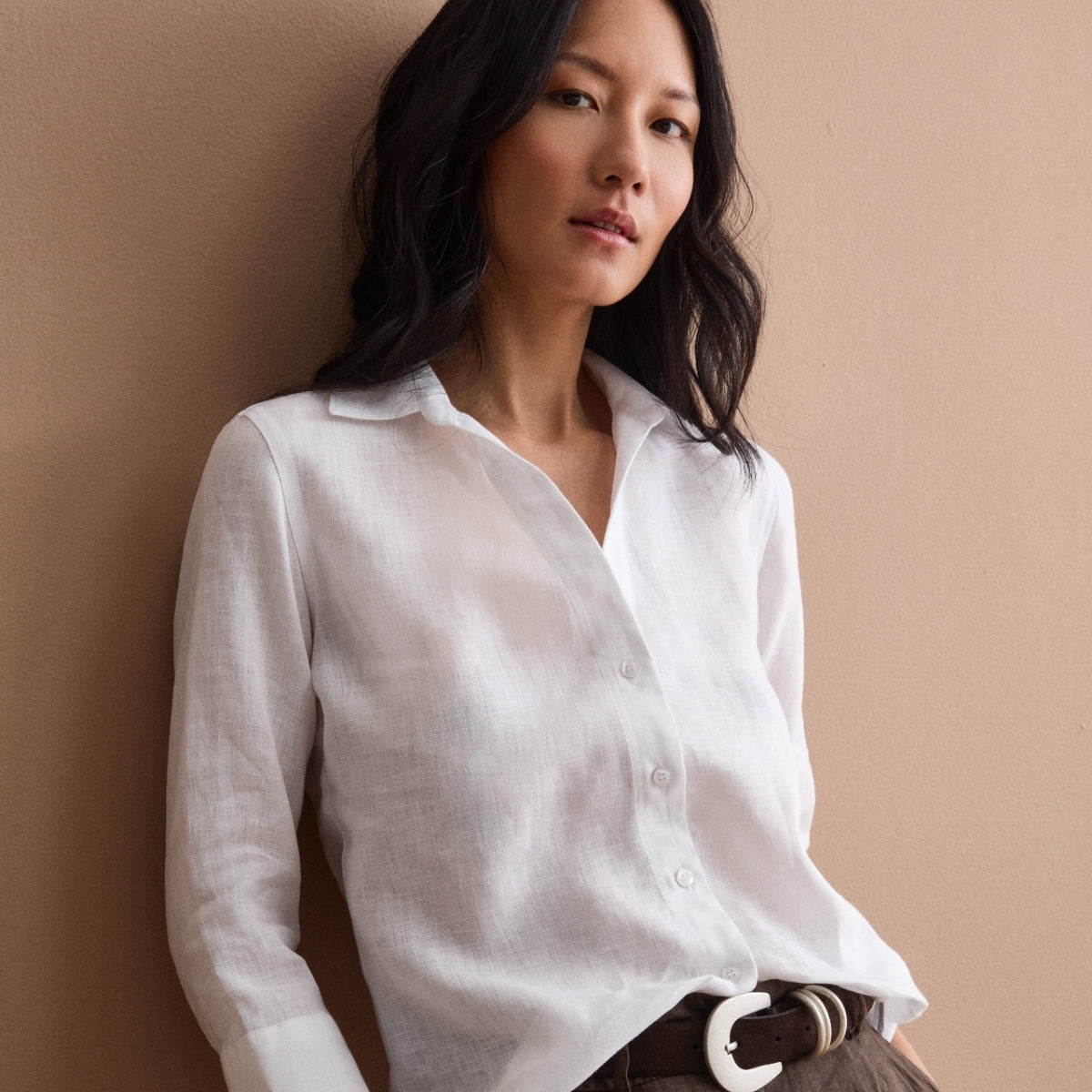
The shirt is considered the must-have of men’s clothing because it suits every look, from formal to casual. A crisp white shirt and a light blue one are two indispensable pieces for a wardrobe that transitions effortlessly between occasions. The ideal strategy is to choose shirts in neutral tones that pair well with darker hues, allowing easy coordination with ties, bow ties, jackets, or waistcoats
The Dark Suit: Navy or Gray
A dark suit, preferably in navy blue or charcoal gray, is essential for ceremonies, business meetings, and formal occasions. It is less severe than black and remains perfectly appropriate in professional settings.

Blazer
The blazer represents the more informal version of the suit jacket. It can be worn with shirts, polo shirts, or T-shirts and paired with a variety of trousers. Owning a navy blazer makes it easy to create elegant or semi-formal outfits, suitable for countless occasions.
Trousers and Jeans
Classic trousers in grey flannel, wool, or cotton offer both sophistication and versatility. It’s advisable to own more than one pair in neutral tones such as grey, blue, black, and beige, experimenting with fabrics to adapt to the seasons. For leisure time, a pair of slim-fit jeans is a must-have—they embody casual style and pair effortlessly with almost anything.

Coat and outerwear
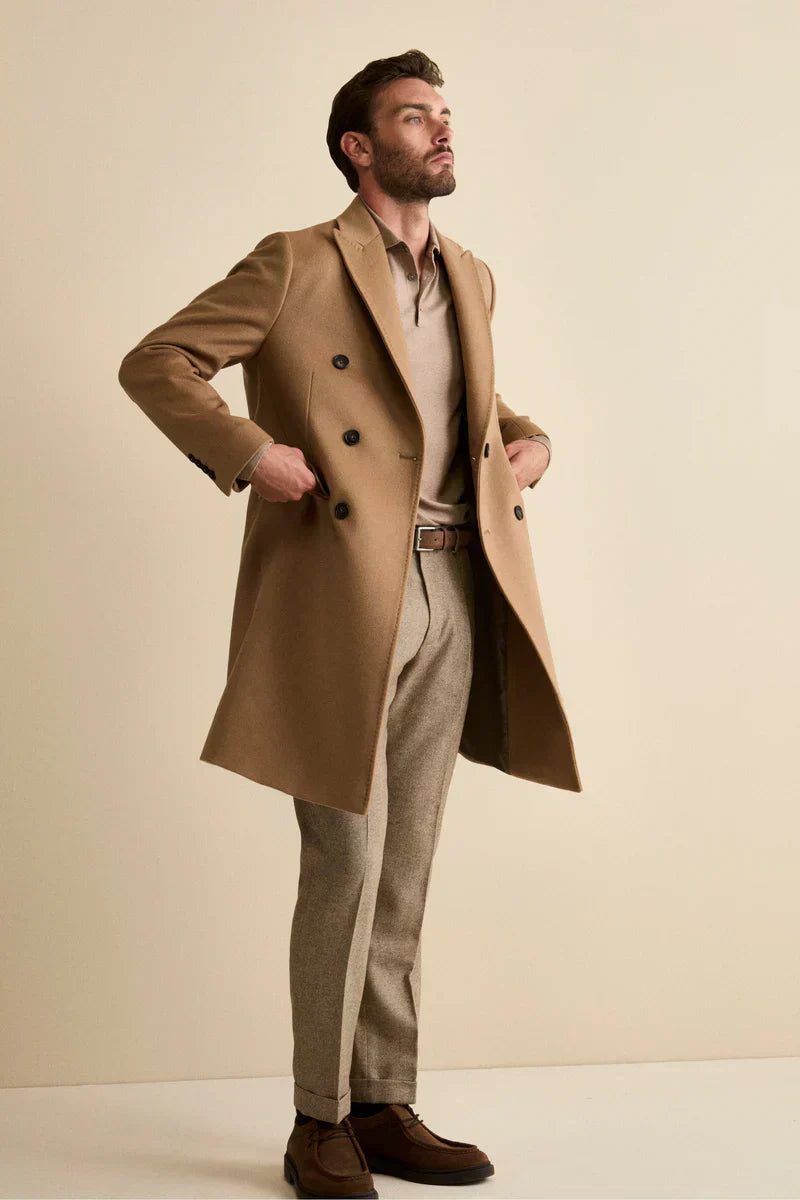
A wool or cashmere coat completes the winter outfit, becoming the centerpiece of the wardrobe during the coldest days. This garment is not only an ally against low temperatures but also a symbol of timeless elegance. Single-breasted or double-breasted styles, long or three-quarter length, stand out for their versatility: perfect over a formal suit yet refined enough to elevate a more casual look when paired with knitwear and wool trousers.
Classic colors such as navy blue, charcoal gray, and black ensure understated sophistication, while warmer tones like beige and camel add brightness and personality to the winter wardrobe. The quality of fabrics—from pure cashmere to fine combed wool—guarantees comfort and durability, turning the coat into a valuable investment. Alongside this essential piece, lighter outerwear for transitional seasons—such as the trench coat or overcoat—combine practicality and style with the same sartorial elegance.
Polo Shirts and T-Shirts
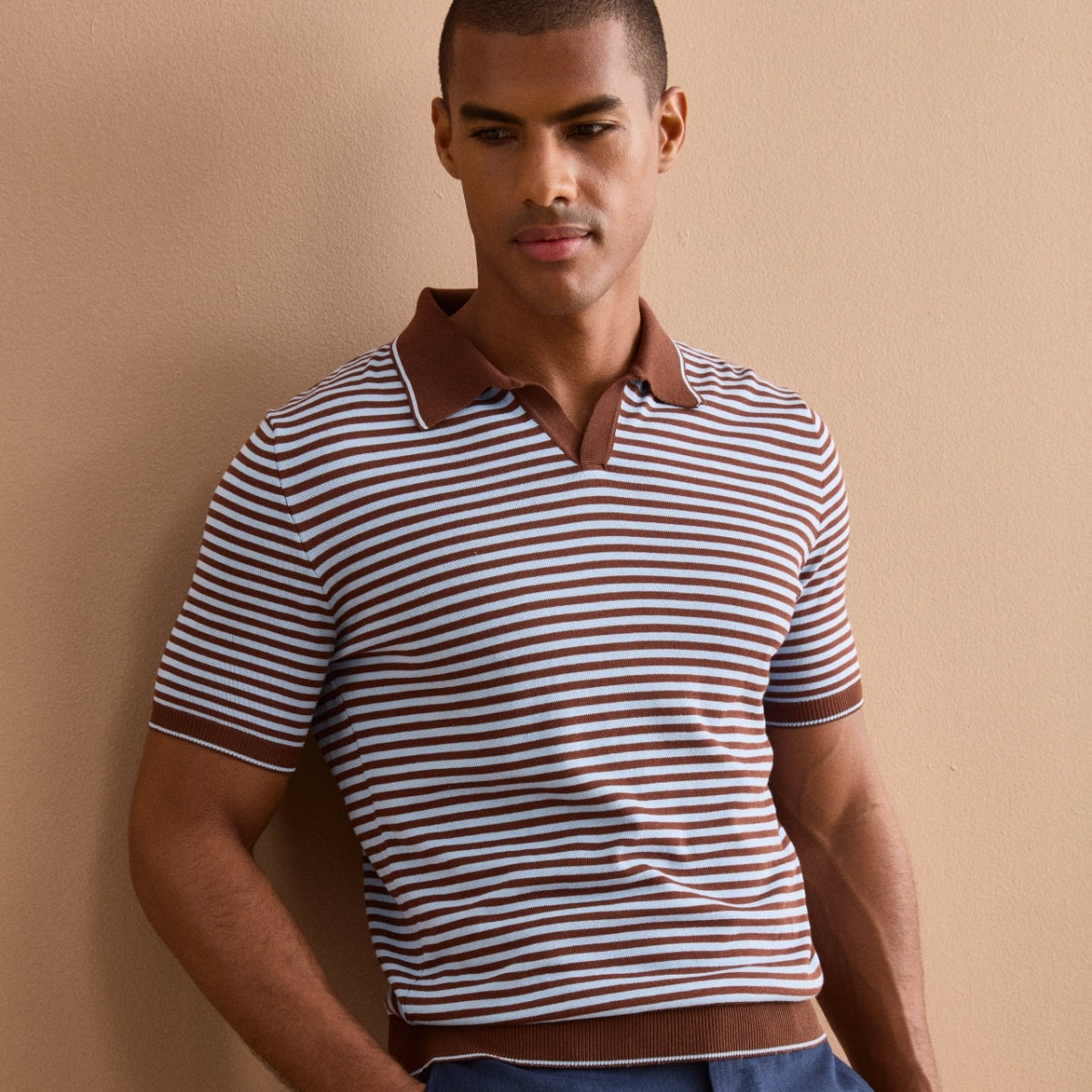
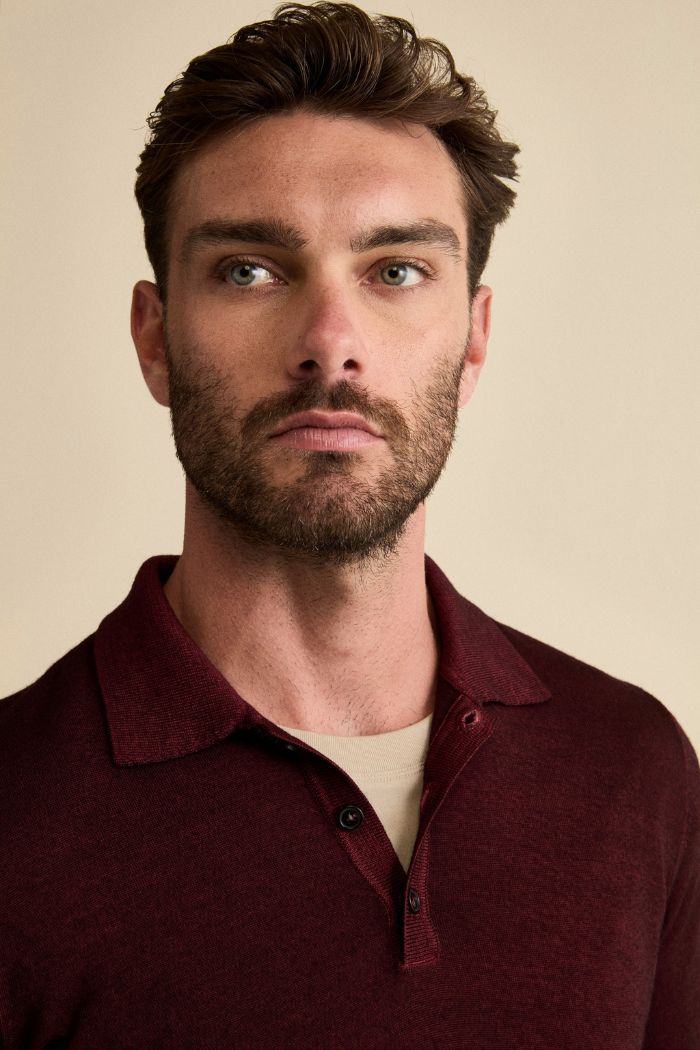
The polo shirt strikes the perfect balance between the refinement of a dress shirt and the ease of a T-shirt. In solid colors and made from fine yarns, it becomes a versatile piece suitable for both informal meetings and more relaxed evening occasions.
T-shirts in pure cotton or linen, on the other hand, remain an indispensable element of the modern man’s wardrobe: lightweight, practical, and timeless. Choosing them in neutral colors allows for effortless pairing with jackets, jeans, or tailored trousers while maintaining a sober and consistent aesthetic.
Knitwear
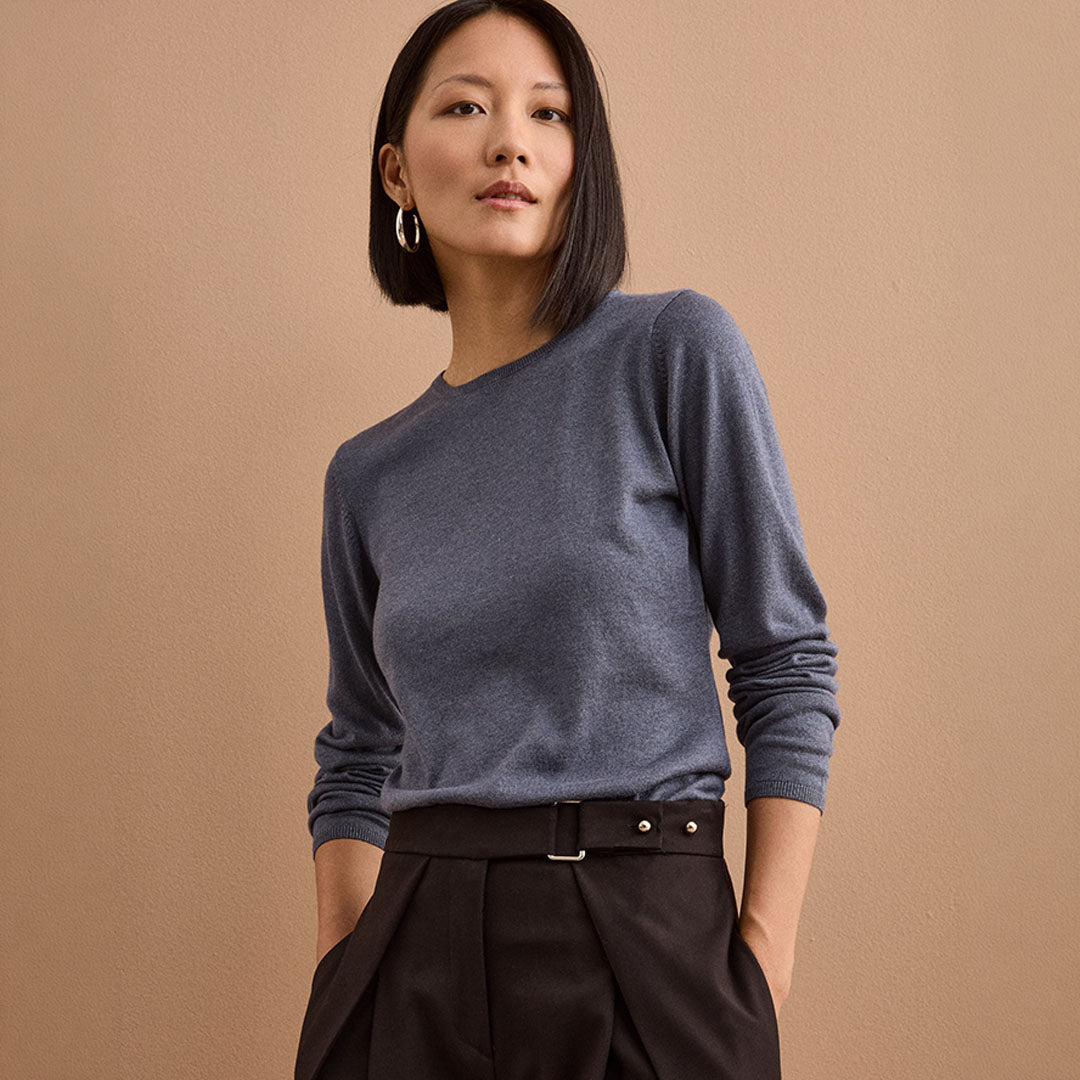
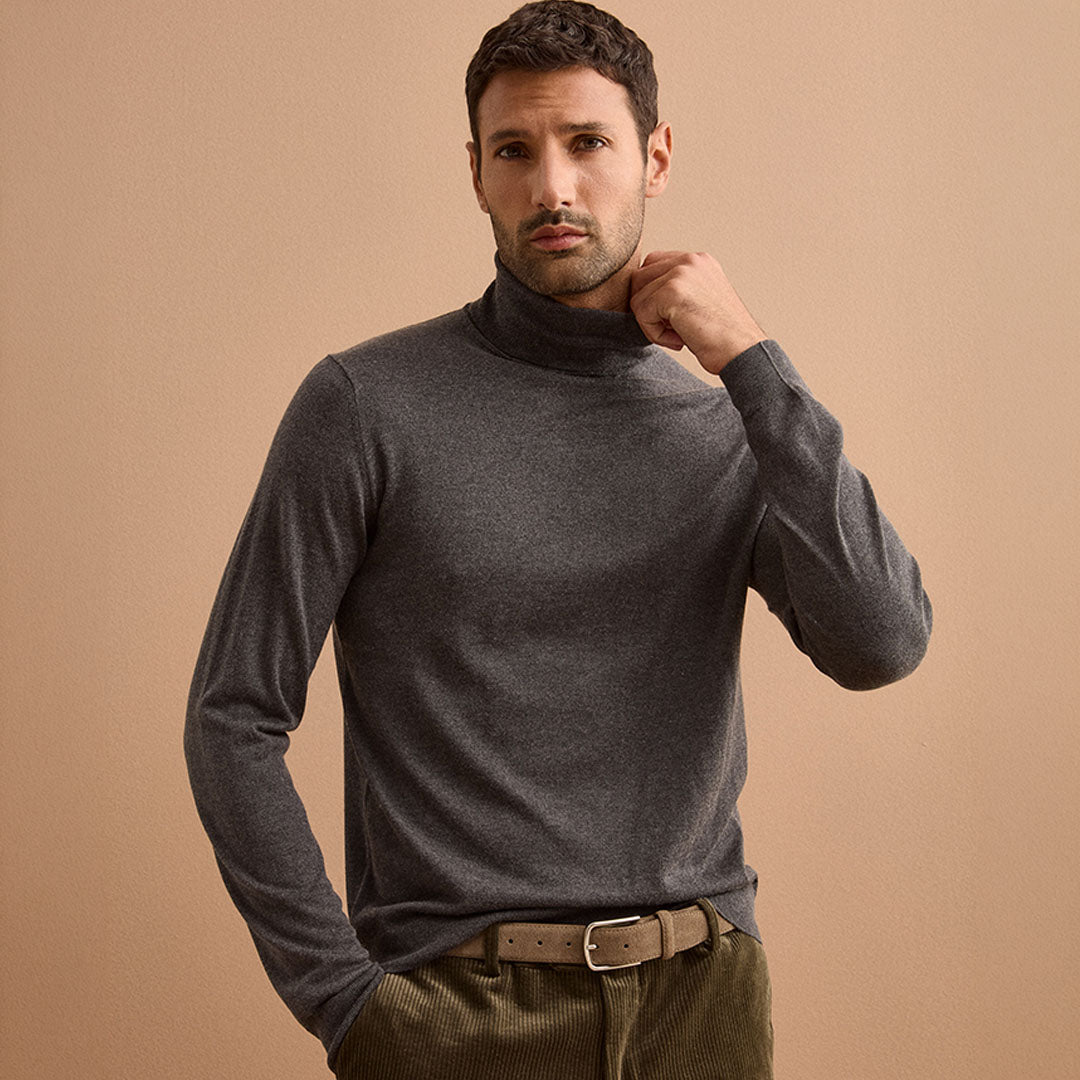
Sweaters and pullovers made from natural fibers such as wool, cashmere, or cotton are a cornerstone of the winter wardrobe. Worn over a shirt or polo, they offer warmth and comfort without sacrificing elegance.
High-quality knitwear is perfect for creating refined layering combinations, blending naturally with both a tailored suit and a more casual look featuring jeans or wool trousers. Each piece—from the softness of cashmere to the fine texture of merino wool—is designed to combine functionality with timeless style.
Leather Jacket
Iconic and everlasting, the leather jacket is a piece that conveys personality. From classic cuts to more contemporary interpretations, it stands out for its bold character and its ability to make any outfit unique. It’s a versatile garment that adapts effortlessly to both casual and smart-casual looks, always adding a distinctive touch.
Footwear
Shoes complete and define every ensemble. A pair of elegant lace-up shoes is a must-have—perfect for formal events and ceremonies. Alongside them, clean, minimalist sneakers accompany more relaxed moments with style.
During the colder months, leather boots ensure comfort and durability without compromising on refinement. Every model, from classic to contemporary, contributes to the overall coherence and character of the men’s wardrobe.
Accessories
Accessories are the finishing details that complete and enrich a look. A silk tie, a colorful pocket square, or a discreet pair of cufflinks lend elegance and personality to a formal outfit. Similarly, fine leather belts and slim, well-designed watches show an eye for detail.
The guiding principle is moderation: a few carefully chosen accessories are enough to express style and balance, avoiding excess that might disrupt the harmony of the whole.
The benefits of a simplified wardrobe
Order and efficiency. With a limited number of garments, your wardrobe remains organized. Choosing what to wear in the morning becomes effortless—no more wasted time sifting through unused clothes.
Reduced waste and sustainability. Choosing an essential wardrobe helps curb impulse buying and promotes responsible consumption. By investing in fewer, higher-quality pieces, clothes last longer and you avoid chasing fleeting trends.
Focus on what truly enhances you. When your wardrobe is limited, your attention shifts to what truly flatters you. You learn to recognize the cuts that suit you best and the colors that complement your features, avoiding garments that don’t reflect your style.
Creative freedom. Although the collection is smaller, creative freedom actually increases. Well-chosen pieces can be combined in many ways: a navy blazer can be worn with grey trousers for the office or with jeans for an evening out; a white shirt can look formal with a tie or casual with rolled-up sleeves. Accessories allow you to further personalize your look, making each outfit unique even when starting from the same foundation.
When and how to update your wardrobe
A capsule wardrobe is not static—it needs to be reviewed periodically to remain functional, aligned with your personal style, and suitable for the seasons.
Seasonal Rotation
Rotating garments according to the season is essential. At the beginning of each new season, it’s advisable to reorganize your wardrobe—storing winter clothes and bringing out spring ones, and vice versa. This system ensures that each garment is used at the right time, reduces wear, and maintains order. It also prevents items from being forgotten at the back of the closet, sometimes with their tags still on.
Update at the Start of a Season or During Life Changes
Beyond seasonal rotation, the wardrobe should be updated when certain life circumstances change—such as a new job or a shift in lifestyle. A new professional role may require more formal attire, while greater environmental awareness might inspire investment in natural or sustainable fabrics.
Replace Worn-Out Items
Maintenance is fundamental. Investing in quality fabrics and caring for your garments—washing and storing them properly—prolongs their life. However, when a piece shows signs of irreversible wear, it’s time to replace it with a new, updated version, ideally maintaining the same style and color to preserve the harmony of your capsule wardrobe.
Before purchasing any new item, it’s important to consider whether it integrates seamlessly with your existing collection.