Men's trousers: how to choose the right shape
There is a mistake that is often made, almost always in good faith: focusing on the jacket, shirt, or coat, and treating the trousers as a secondary element. However, trousers are the foundation upon which every outfit is built. They establish the proportion between the upper and lower part of the body, determine whether a figure appears elongated or compressed, and decide if a look communicates elegance or carelessness.
The collections by Il Lanificio offer trousers in a variety of fabrics, fits, and models — from virgin wool to linen, from combed cotton to technical blends — precisely because every man has a different build, a different style, and different occasions to face. In this guide, we will explore every aspect of the choice to help you find the right shape for you.
Why the Cut of Trousers Affects Style
The fit of trousers is not just an aesthetic issue: it is a matter of visual posture. Trousers with the wrong cut can weigh down the figure, shorten the legs, widen the hips, or, conversely, make the legs look too slender compared to the torso. There is no universally superior fit: there is only the right fit for your body shape, for the fabric you are wearing, and for the occasion you are facing.

The first thing to understand is that trousers are measured at three key points: the waist, the hips, and the leg. Each of these areas can be more or less snug, and the combination of these three elements determines the overall fit. Added to this is the length: trousers that are too long or too short alter the entire proportion of the outfit, regardless of the quality of the fabric.
The Main Models of Men's Trousers
Slim Fit: Precision and Verticality
Slim fit trousers are the most widespread model in contemporary men's fashion. They taper progressively from the thigh towards the ankle, creating a clean vertical line that elongates the figure and defines the silhouette. They are the trousers of choice for those with a slender build and for anyone looking for a modern, structured look suitable for both formal and smart casual contexts.

They work beautifully with tailoring blazers and jackets, which balance the volume in the upper part. They are less suitable for those with muscular thighs or a pronounced seat: in this case, the fabric tends to pull, compromising both comfort and aesthetics.
Regular Fit: Classicism and Versatility
The regular fit is the benchmark model of classic tailoring. It has more volume along the entire leg compared to the slim fit, with a comfortable wearability that does not strictly follow the body but accompanies it. While it may not be the most modern style, it is the most universal: it works on almost any physique, is easy to wear, and does not require great effort when combining pieces.

It is the ideal choice for wool suit trousers — where the drape of the fabric is an integral part of the elegance — and for those who prefer a classic style without wanting to chase more contemporary cuts.
With Drawstring: Relaxed Elegance
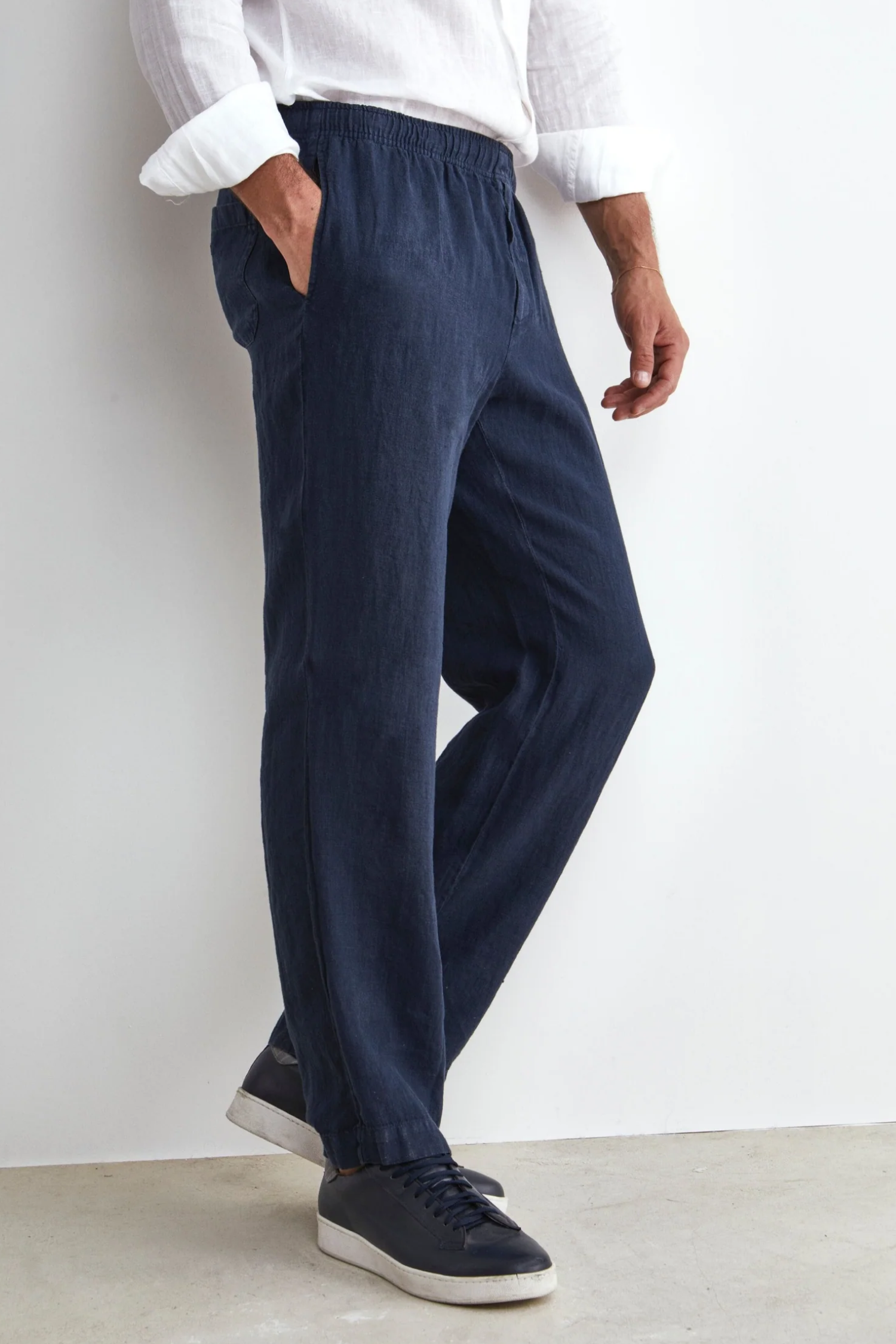
Drawstring trousers were long associated with the idea of casual or sportswear. Today, that is no longer the case. In refined fabrics such as worsted wool, heavy linen, or cotton twill, drawstring trousers have become one of the most interesting garments in the contemporary wardrobe: relaxed in silhouette, sophisticated in material.


In the men's trousers collection by Il Lanificio, you will find slim, elegant drawstring, chino, and wool trouser models for any context.
Wide Leg: The Contemporary Fit
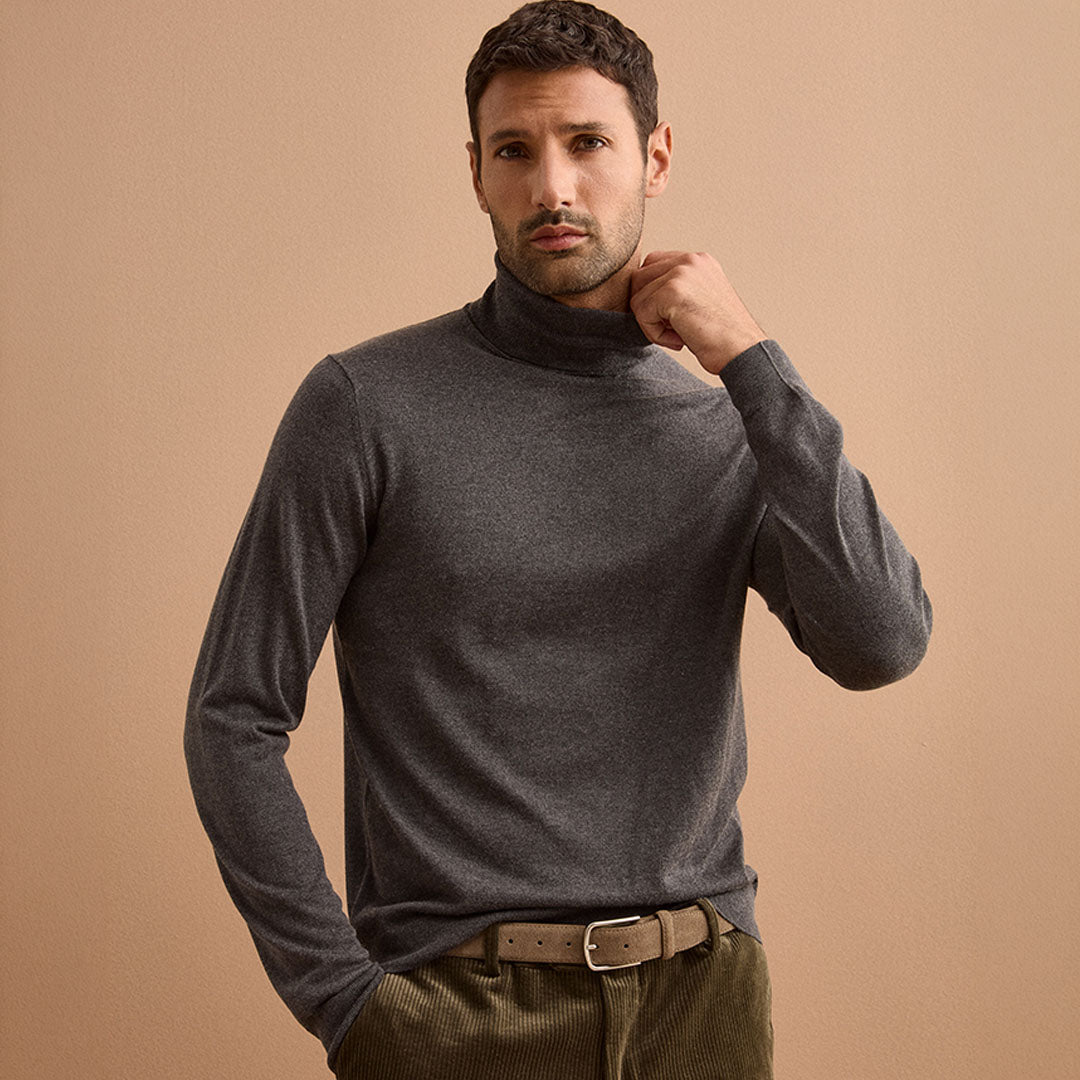
Wide leg trousers are the garment that, more than any other, has defined men's fashion in recent years. Ample and fluid, they require special attention when matching items: they work best with upper garments that are contained in volume — a tucked-in shirt, a fine t-shirt, or a slim turtleneck.

The footwear that completes them must be visible: a loafer or a pointed-toe shoe just emerging from the wide leg adds that detail of style that makes all the difference.
When and How to Wear the Different Fits
The general rule is simple: closer fits — slim and tapered — lend themselves better to formal and semi-formals contexts, where the precision of the line is part of the message you want to communicate. Wider fits — regular, wide leg, drawstring — work best in casual and contemporary settings, where comfort and natural poise are central values.
That being said, rules are not absolute. Drawstring trousers in virgin wool are just as elegant as a regular fit in flannel. A slim fit in linen is perfect for a summer outdoor ceremony. What always matters is the coherence between the fabric, the fit, and the occasion.
What to Consider in the Choice: Height, Proportions, Footwear
Taller men can afford any trouser length, including cropped models that end above the ankle. Shorter men would do better to avoid trousers that are too wide in the leg, which risk further shortening the figure, and instead prefer cuts that create visual continuity from the waist downwards.
Footwear is an element that is often underestimated when choosing trousers. Sturdy shoes — like a derby with a thick sole or a boot — call for trousers with more volume so as not to look unbalanced. A slim, sleek shoe — such as a loafer or a pointed shoe — pairs better with slim or tapered trousers, where it can express itself without being overwhelmed by the fabric.
Choosing the right trousers is an act of self-knowledge. It is not about following trends, but about understanding your body shape, your context, and the message you want to project. Once you find the fit that works, the rest of the outfit becomes much easier.
Read more:
Slim, regular, or drawstring? Guide to fits for every physique
Elegant trousers without a jacket: when it really works
Men's bermuda shorts: combinations and materials for summer 2026