
Article: Men's elegant suit: guide to modern style
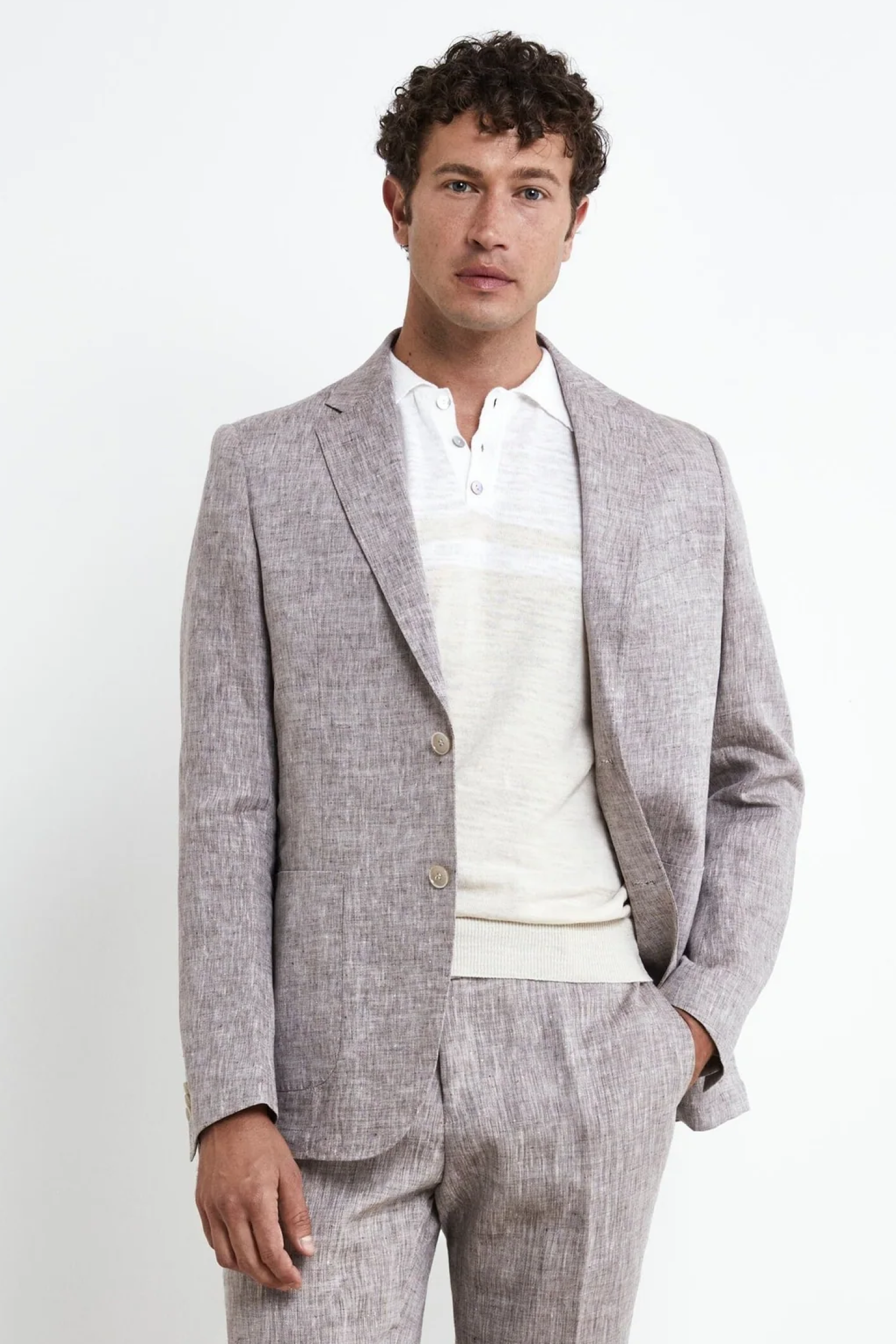
Men's elegant suit: guide to modern style
There is a precise moment when a man understands the value of a good suit. It is not during a job interview or a ceremony — those are contexts that the suit already knows how to handle on its own. It is when you wear it for the first time in an unexpected context, and you realize that it works equally well. That is the difference between any ordinary suit and a quality tailored suit: the ability to adapt without losing its identity.
The collections by Il Lanificio are built around this philosophy: suits in virgin wool, linen, and cotton blends crafted with selected fabrics — some coming from the historic mills of the Biella district, such as F.lli Cerruti dal 1881 — to offer garments that look just as natural in a boardroom as they do at a wedding. In this guide, we will explore how the suit has changed, when to wear it, which fabrics and colors to choose, and how to personalize it with the right accessories.
The Evolution of the Suit: From Rigid Formality to Modern Style
For decades, the men's suit was synonymous with rigidity: structured shoulders, heavy linings, and jackets with padding that seemed designed to leave no room to breathe. That tradition made sense in an era when formal wear was an inviolable social code. Today, that era is over.
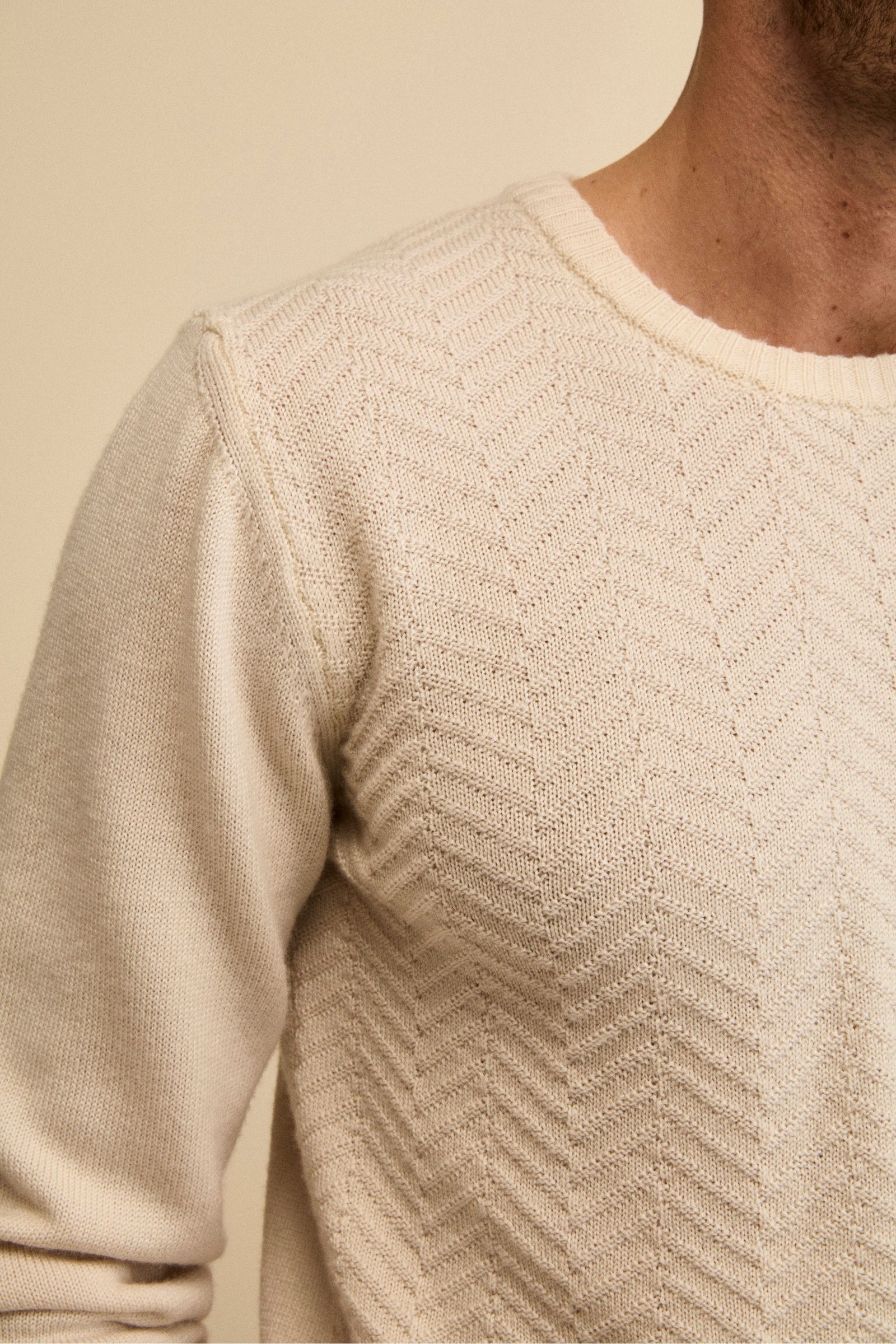
The contemporary suit has undergone a profound transformation. Shoulders have become lighter or disappeared entirely in unconstructed models. Linings have been reduced or eliminated, especially in summer versions. Fabrics have become softer, draping beautifully and following the body without compressing it. The cuts — from slim fit to comfort fit, from drop 4 to drop 8 — now offer a variety of silhouettes that allow every man to find his own.

The result is a garment that has not lost its authority but has translated it into a new language: less hierarchical, more personal, and capable of pairing with sneakers or loafers without losing credibility.
When to Wear a Suit: Ceremonies, Office, Evening Events
The Suit for Ceremonies
The suit remains the dress code par excellence for formal ceremonies. A navy blue or charcoal gray virgin wool suit, paired with a white shirt, a silk tie, and leather Oxford shoes, is an unquestionable response. For daytime summer ceremonies, linen or tropical wool take over: lighter and more breathable, without conceding anything in terms of elegance.

The men's wedding and ceremony suit collection by Il Lanificio includes virgin wool suits, pinstripes, and tuxedos, along with matching ties and accessories.
The Suit at the Office
The professional context now allows for a much broader range of interpretations. In traditional environments — law, finance, institutions — the matching suit remains mandatory. In creative and informal fields, a separate blazer and trousers or a suit without a tie are often more appropriate than a rigid outfit that risks looking out of context. The golden rule: observe the dress code of the environment and raise it slightly, never lower it.
The Suit for Evening Events
In the evening, the suit becomes darker and more sharp. Midnight blue, charcoal gray, black: these are the colors that absorb artificial light and deliver an intense visual presence. The pinstripe, in a double-breasted version with peak lapels, is perhaps the most sophisticated interpretation of the contemporary evening suit: formal yet unconventional, recognizable but not predictable.

Evergreen Colors and Fabrics: The Foundation of a Suit Wardrobe
There are combinations of color and fabric that never go out of style because they meet universal aesthetic needs. Navy blue worsted wool is the most versatile garment a man can own: it works by day and night, in summer and winter, at the office and at a ceremony. Charcoal gray flannel is its winter counterpart: more austere, more authoritative, and ideal for the most formal professional settings.
Blue or gray pinstripe — with its thin vertical lines that slim the figure — is the classic par excellence, capable of being modern or traditional depending on how it is worn. In summer, natural linen and tropical wool (a light, airy fabric derived from combed wool) are the right answers to the heat: they maintain their structure without suffocating.
Accessories: How to Personalize the Suit
A suit without accessories is like a sentence without punctuation. Accessories do not just complete the outfit: they define it, date it, and personalize it. And in certain cases, they completely transform it.
The tie is the first tool of personalization: a gray knit tie on a navy blue suit communicates modernity; a burgundy regimental silk tie on a pinstripe suit communicates tradition.

The pocket square — never made from the exact same fabric as the tie — adds a touch of character that speaks of attention to detail. The shoes complete the look: black Oxfords for maximum formality, dark brown leather Derbies for a more relaxed tone, and suede loafers for a smart-casual context.

Matching socks — often forgotten — are actually one of the most visible elements when you sit down. Socks that match the color of the trousers visually elongate the leg; contrasting socks (burgundy, green, electric blue) add a detail of character that does not disrupt the ensemble but speaks of personality.
Explore the complete collection of men's suits by Il Lanificio: single-breasted, double-breasted, pinstripe, and checkered suits in fine Made in Italy fabrics.
Read more:
Separates or matching suit? How to choose based on the occasion